Olde English Monogram Letter L: A Practical Review for Your Projects
As a designer who relies on embroidery files for my business, I approach every new design with a practical eye. I’m not just looking for something beautiful; I’m looking for something that will stitch out reliably, enhance my products, and resonate with customers. Today, I’m considering the Olde English Monogram Letter L embroidery design.
First Impression: Elegance with a Classic Weight
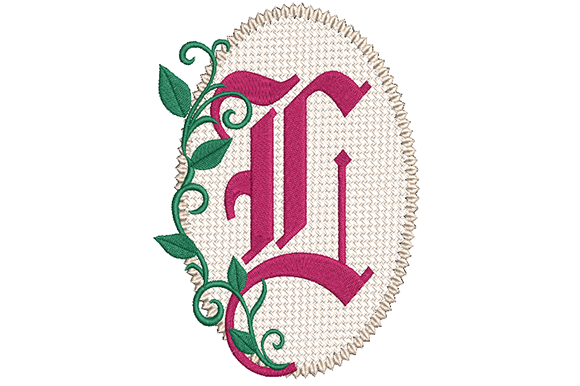
When I first look at this design, the word that comes to mind is ‘established’. It carries a classic, formal elegance that feels rooted and timeless. The traditional monogram shape has a visual weight and presence that commands attention. This isn’t a casual, lightweight script; it’s a statement piece. The layout is balanced and the level of detail suggests careful craftsmanship. It creates a mood of tradition, sophistication, and personal pride. Instantly, I know this belongs on projects where the recipient’s identity is being celebrated—think wedding gifts, heirloom items, or bespoke boutique products.
Where This Design Naturally Finds Its Home
This design isn’t for every project, but where it fits, it shines. I picture it beautifully embroidered on a crisp linen pillow cover for a bridal shower gift, or as a centerpiece on a cotton apron for a small kitchenware shop. Its formal personality makes it perfect for wedding monogram applications, like on the corner of a blanket or the cuff of a handkerchief. For a craft business focusing on personalized gifts, this ‘L’ could be the hero on a high-quality tote bag, transforming a simple accessory into a cherished, personalized item.
Imagine a customer ordering a custom sweatshirt with this monogram for a family member. The finished product wouldn’t just be a sweatshirt; it would feel like a legacy piece. In my mind, I can see it stitched on a dark wool blanket for a dramatic, heirloom effect, or on a crisp white baby dress for a formal nursery portrait. The design’s personality elevates the base product.
Performance in Real-Life Embroidery Situations
Let’s talk about how this might actually stitch out. The description mentions a knockdown stitch, which is a smart feature for machine embroidery design. This typically means the design includes an underlay to tame textured or lofty fabrics, giving the final satin stitch a smooth, professional foundation. That’s a huge plus for real-world use.
For apparel decorators, this suggests the design could handle a fleece-backed sweatshirt or a terry cloth towel better than a design without it. For a tote bag made of canvas or denim, that knockdown will help the beautiful fill stitch details sit flat and sharp, resisting that ‘sunk into the fabric’ look. On baby clothes made from soft, often textured knits, this feature could be crucial for maintaining stitch clarity.
Caution Points: Where to Use Careful Judgment
Every design has its ideal applications and its less-suited ones. For this Olde English letter, I’d be cautious on very small hoop sizes. The intricate details and likely density need space to breathe; forcing it into a tiny area might lose the elegant open spaces within the letterform. Similarly, on highly stretchy fabrics like thin t-shirts, even with great stabilizer, the density could pose a challenge, potentially leading to puckering.
Dark fabric backgrounds require thoughtful thread color choice—a gold or silver thread here could be magnificent, but a low-contrast color might lose the design’s impact. Also, on curved surfaces like caps, the wide, bold shape of this monogram might need careful placement to look centered and balanced. The key is to match the design’s inherent weight with a substrate that can support it.
Impact on Your Business and Customer Perception
Using a design with this level of apparent craftsmanship directly affects your product’s value. On a handmade presentation, it signals care and quality. For a small shop product or an Etsy listing, it enhances brand consistency if you specialize in classic, personalized goods. It increases giftability because it feels special and intentional.
From a commercial embroidery standpoint, a clean stitch-out of this design builds customer trust. They see precision and tradition. In printable mockups for your digital product shop, this design would present as a strong, professional asset. For a creative entrepreneur, it’s a design that can anchor a whole line of monogrammed wedding or family gifts, driving buyer engagement through its powerful personal connection.
Practical Designer Notes Before You Hit Start
Before I’d run this file on a client’s item, my process would be straightforward but essential. First, always test on scrap fabric that matches your final project’s texture and weight. This tells you everything: how the knockdown stitch interacts with the material, whether the stitch density feels appropriate, and if any small details get lost.
Check thread color contrast against your background in both light and dark scenarios. Review the required hoop size for your specific machine; don’t assume. Inspect the small details in the design preview to ensure your machine can render them clearly. Use the proper stabilizer for your fabric—this is not a step to skip with a dense, decorative design.
Crucially, confirm the licensing terms before selling finished items or including it in digital product bundles. Know if it’s for personal use, commercial use, or both. This protects your craft business. Finally, visualize it. Create simple black and white mockups of it on a pillow, a tote, and a sweatshirt. Does it convey the feeling you want for your brand? Does it look like a product someone would love to receive?
The Final Verdict for Makers
The Olde English Monogram Letter L embroidery design is a specialized tool in your kit. It’s not everyday casual, but for the projects that call for formal elegance and personal significance, it is a potent choice. Its described features suggest it’s built for real embroidery work, considering fabric texture from the start. For designers, small business owners, and hobbyists creating in the wedding, heirloom, or formal gift spaces, this design has the potential to become a go-to asset, elevating simple items into meaningful, beautifully embroidered finished products. My advice is to get it, test it on your intended medium, and see how that classic ‘L’ stitches out for you. Its beauty will be proven not in the preview, but in the practical, threaded reality of your next project.