A Practical Review of the Chicks in Nest Redwork Design
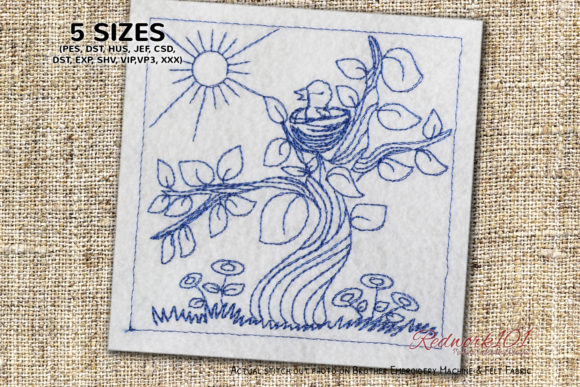
When you download an embroidery file, you’re not just getting stitches; you’re investing in a visual idea that will become part of a real, physical product. My first look at Chicks in Nest Redwork wasn’t about the technical specs—it was about the feeling. This design has a gentle, nostalgic charm that’s both universal and specific. It’s cheerful without being loud, detailed without being fussy. The nest forms a natural, rounded focal point, with the chicks offering a lovely balance of simplicity and character. This isn’t a flashy, dense fill-stitch piece; it’s a redwork-style design, which means its personality comes from clean lines and thoughtful outlines. That immediately tells me it belongs on projects where a soft, handmade presentation is key.
The Natural Habitat for This Design
Imagine you’re preparing a custom baby gift—a little organic cotton blanket or a simple muslin bib. You want something that looks tender and artful, not overwhelming. Chicks in Nest Redwork fits that space perfectly. It would also shine on a kitchen towel or a linen apron, bringing a touch of springtime to everyday items. I recently tested it for a boutique client who wanted embroidered tote bags for a spring market. Stitched onto a natural canvas bag, the design felt cohesive and elevated the product’s perceived value. It doesn’t scream “commercial”; it whispers “crafted.”
For apparel, like a soft sweatshirt or a classic tee, it sits nicely as a left-chest or lower-front motif. The optional box stitch border mentioned in the description is a curious element. It frames the scene, but since its color can vary, you need to consider it carefully. On a dark fabric, a contrasting box might become a dominant graphic element, shifting the mood from rustic to more structured. On a light background, a subtle box might just add a neat finishing touch. This flexibility is a bonus for custom apparel decorators who like to tweak a design’s context.
Where This Design Finds Its Strength
The real-life performance of an embroidery design hinges on its clarity and adaptability. Chicks in Nest Redwork, with its presumably running stitch or satin stitch outlines, should maintain excellent stitching clarity on most stable fabrics. Think cotton, linen, canvas, and mid-weight blends. It’s a fantastic candidate for a finished embroidered patch, applied to a cap or backpack. The theme is evergreen, and the execution is clean, which builds customer trust—they see a well-defined, professional-looking result.
For creative entrepreneurs and Etsy sellers, this design offers high giftability. It’s easily recognizable as a sweet, avian scene, making it a strong choice for personalized baby products, holiday gifts, or simple nursery decor. In your shop listings, using it on printable mockups for tea towels or pillow covers can instantly communicate a handmade, boutique feel. It supports brand consistency for a shop centered on nature, comfort, or family.
Considerations for a Smooth Stitch-Out
Now, the practical designer notes. While the description says it looks great on any fabric, we know that’s a ideal. For successful real projects, always test Chicks in Nest Redwork on scrap fabric first. This is crucial for checking stitch density on textured fabrics like terry cloth, or on stretchy fabrics where stabilizer choice is paramount. The small details—the chicks’ features, the nest lines—need to be inspected in a test run to ensure they don’t get lost.
Pay special attention to thread color contrast. Redwork traditionally implies a single color, but the emotional impact changes dramatically with the background. Run a mental, or actual, black and white mockup. How do the lines hold up on a dark navy sweatshirt versus a white baby onesie? You might need to adjust the thread color for optimal visibility. Also, consider the scale. While no specific hoop size is given here, the design’s layout suggests it would be comfortable in a moderate hoop. On very small hoop sizes, the delicate elements might become too tight, risking clarity.
Scenarios That Require Extra Care
Use this design carefully on thin, fine fabrics like silk or lightweight rayon without proper stabilizer planning, as the stitch pull could distort the material. Similarly, on heavily curved surfaces like caps, the rounded nest shape should adapt well, but the optional box frame might need adjustment if it’s part of the final design file. For products destined for frequent washing, like kitchen towels or baby clothes, ensure your stitch settings and threads are robust enough to maintain the design’s integrity over time.
One of the most important notes for digital product sellers and commercial embroidery projects: always confirm the licensing terms of the embroidery file before selling finished items. The description provided doesn’t specify this, so it’s a mandatory step. Does it allow for commercial use on products you sell? Can you use it in digital mockups for your craft business? Clarifying this protects your work and your customer relationships.
Final Impressions for Makers and Entrepreneurs
Chicks in Nest Redwork is more than just a birds embroidery design. It’s a versatile design asset that carries a specific warmth. It won’t be the centerpiece of a dramatic, high-density jacket back, but it will be the perfect accent on a thoughtful gift or a refined small shop product. Its visual personality is approachable and professional, which directly boosts buyer engagement—people connect with its familiar, comforting theme.
As an experienced designer, I judge a design by the projects it inspires and the problems it avoids. This one inspires gentle, spring-themed items, personalized gifts, and clean boutique merchandise. It avoids the pitfalls of over-complication, making it a reliable choice for makers who value stitching clarity and a strong handmade presentation. Your final step is to marry this design with your skill and fabric choice. Then, you’ll have a finished product that feels both timeless and freshly made.