Flower with Leaves Lineart: A Designer's Practical Review
When you download an embroidery file, you're not just acquiring stitches—you're investing potential time, thread, and client satisfaction. So let’s look past the pretty preview image and talk about how Flower with Leaves Lineart actually behaves when the needle starts moving.
The First Impression: Clean, Versatile, and Gift-Ready
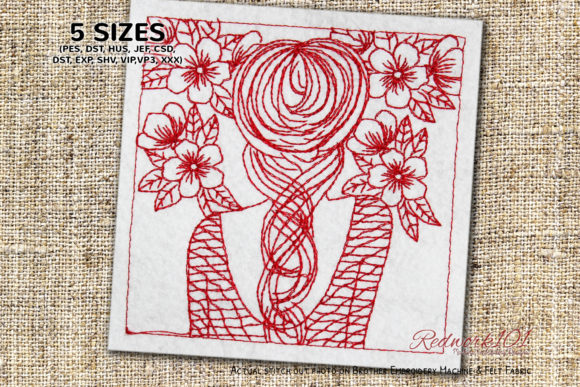
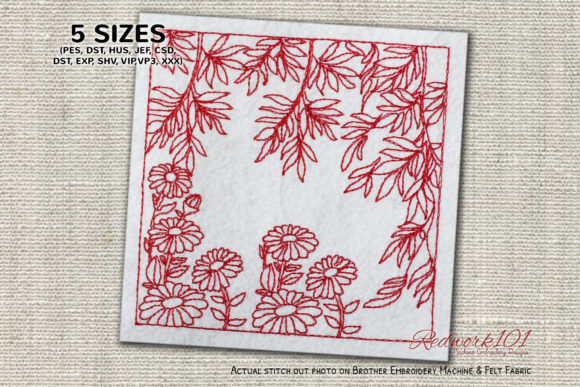
This design’s personality is clear from the name: it’s a lineart bouquet. That means it’s built from outlines, not dense fills. My immediate thought was how this creates a lighter, more delicate mood than a solid satin stitch sunflower might. It feels modern, a bit botanical, and less "country kitchen." The layout is organic, with blooming flowers, buds, and leaves arranged in a natural cluster. This isn't a stiff, symmetrical logo; it has movement. That visual personality makes it a natural fit for projects that need a touch of elegance without being overly ornate.
I picture this design living perfectly on a linen apron, a canvas tote bag, or the corner of a high-quality pillow cover. It’s giftable. Imagine a personalized tea towel for a wedding gift or a subtle bloom on a baby's blanket. For small business owners, this kind of aesthetic can elevate a simple product, making a handmade tote or sweatshirt feel boutique rather than basic.
Real-World Performance on Products and Fabrics
Let’s walk through a real scenario. Say I’m preparing a custom embroidered tote bag for a client who loves nature themes. I’ve chosen Flower with Leaves Lineart. Here’s what I’m considering.
On stable fabrics like canvas, cotton twill, or denim, this lineart design should stitch out cleanly. The detail level looks manageable—the lines define the shapes without too many tiny, intricate corners that could get lost. However, stitch density is a key question. A lineart design typically uses running stitches or a lighter fill. This is good news for thicker fabrics where heavy satin stitch might sink in, but it requires attention on thinner materials.
Where To Use It With Care
On stretchy fabric like a t-shirt or a soft sweatshirt, you'll need excellent stabilizer. Those elegant lines could distort if the foundation isn’t firm. For dark fabric, thread color contrast is paramount. A white or bright yellow outline on a navy bag will pop beautifully, but a pale grey might vanish.
Small hoop sizes could be a challenge if the design is large. I'd advise testing a section first to ensure the finer leaf details remain clear at a smaller scale. Similarly, textured fabrics like a waffle-knit towel might break up the clean lines. For curved surfaces like caps, the organic, spread-out layout might need careful positioning to avoid awkward placement over seams.
The note about the optional box stitch is interesting. It frames the bouquet, offering a more contained, graphic look. Using a different color for that outer box, as mentioned, is a smart design choice—it adds a layer of customization right from the file. This instantly gives you two looks: a natural, free-flowing bouquet and a framed, almost logo-like version. That’s valuable for versatility.
Impact on Your Business and Customer Appeal
From a commercial embroidery perspective, this design affects more than just stitching. Its clean, uncluttered finish conveys professionalism. A messy, dense design can look homemade in a negative way; a crisp lineart design often looks intentionally crafted. This builds customer trust. When a buyer sees it on your Etsy listing or at a craft fair, they perceive a higher value item.
For brand consistency, if your shop leans toward minimalist or botanical styles, this bouquet fits right in. It’s recognizable without being loud. As a digital embroidery file for other designers or as a finished product, it’s easy to visualize in printable mockups, which is crucial for digital product sellers marketing their design assets.
A Designer’s Practical Notes Before You Hoop
Before committing this to a client’s project or your own merchandise, run these checks.
- Always test on scrap fabric first. Use the same material you intend for the final product.
- Check thread color contrast. Stitch a sample on both light and dark backgrounds to see how it reads.
- Review the actual stitch density in your software. Is it a single run line or a lighter fill? This tells you about thread usage and potential fabric stress.
- Confirm the physical size against your hoop. Does it fit the area you have, like a pocket or a cap panel?
- Inspect the small details, like the tiny buds. Will they stitch cleanly with your chosen thread weight?
- Use proper stabilizer for the fabric type. This is non-negotiable for maintaining clarity.
- Most importantly, check the licensing for this specific file. Can you use it for commercial projects, selling finished items like patches or apparel? Never assume.
The Natural Home for This Bouquet
In my judgment, Flower with Leaves Lineart finds its best home on products where detail and subtlety are assets. Think linen kitchen towels, canvas tote bags, organic cotton baby items, or minimalist pillow covers. It’s less suited for items needing bold, high-impact branding or for fabrics that fight delicate lines.
For the hobbyist making a personalized gift, it’s a lovely, safe choice. For the creative entrepreneur building a line of embroidered patches or boutique aprons, it offers a stylish, repeatable motif. Its strength is its adaptability and the mood it creates—calm, natural, and thoughtfully made. That’s the kind of feeling that turns a simple embroidery project into a cherished finished product.