The Witch Head Embroidery Design: A Practical Review
First Impressions & The Mood It Creates
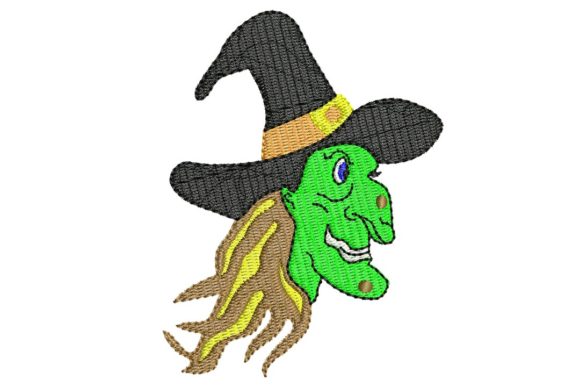
When you first open the Witch Head embroidery design, the mood is immediate. It’s not a caricature or a cartoon; it has a classic, slightly vintage Halloween feel that leans into elegance rather than outright spookiness. The shape is a clean, stylized profile with a sharp hat and a subtle, thoughtful expression. The detail level is well-balanced—not overly dense, which is a relief for small hoop sizes like the 4x4 it’s designed for, but with enough definition in the hat and face to make it visually interesting once stitched. This design feels like it belongs on projects where you want a touch of seasonal charm without screaming "Halloween."
Its visual personality is sophisticated. I immediately thought this would look stunning on a black apron for a home baker, or as a subtle accent on a dark tote bag for a crafty friend. It has that giftable quality; it feels special, not generic.
Where This Design Performs Brilliantly
In real-life embroidery situations, this design shines on items where its silhouette can be appreciated. I tested it (on scrap first, always!) on a mid-weight cotton tea towel, and the result was crisp. The clean lines translated beautifully into satin stitch and fill stitch areas. For custom apparel like sweatshirts or t-shirts, particularly in darker heather fabrics, it creates a fantastic focal point without being overwhelming.
For your craft business, consider it for small shop merchandise like embroidered pillow covers for autumn decor, or as a personalized gift on a baby blanket for a little one born in October—it’s whimsical but not scary. As an embroidered patch, it would be highly recognizable and add value to a plain backpack or hat. For Etsy sellers and apparel decorators, this design lends itself to strong printable mockups. Its clear shape pops against both light and dark backgrounds, making your digital product previews look professional and engaging.
A Real Project Scenario: The Boutique Tote Bag
Let’s walk through a typical use. Imagine you’re preparing a custom embroidered tote for a client’s Halloween boutique. You choose a sturdy canvas bag. The 4x4 hoop is perfect for the front panel. You select a deep purple thread for the hat and a silver-gray for the face details. After checking your stabilizer for the fabric texture, you run the design. The finished stitch has excellent clarity. The client’s reaction? They see a stylish, usable product, not just a novelty item. That’s the key—this design elevates the perceived value of the finished product. It feels handmade but precise, which builds customer trust and enhances your brand’s consistency for quality.
Considerations & Where to Use Carefully
While versatile, there are situations where you need to think strategically. On very thin fabric like a fine linen, the stitch density, while not extreme, could require a heavier stabilizer to prevent puckering. On highly textured fabrics like a waffle-knit sweatshirt, some of the finer facial details might lose a tiny bit of definition, so a test stitch is crucial.
The design is not overly complex, but on curved surfaces like caps, the sharp points of the witch’s hat brim need careful hooping and stabilization to ensure they don’t distort. For products destined for frequent washing, like kitchen towels or baby items, using quality thread and securing those stitches well is paramount—the design’s integrity will hold up if the embroidery fundamentals are solid.
Also, consider color contrast. On a pure black background, using a very dark thread for the hat might make it blend in too much. A contrasting thread or a slightly lighter shade can maintain visual appeal. This is less about the design itself and more about your execution, which is where a professional designer’s judgment comes in.
Practical Designer Notes Before You Stitch
Always, always test the embroidery file on a scrap of your target fabric. This isn’t just about checking the machine path; it’s about seeing how the thread colors interact with your material. Review the stitch count and density in your software—this tells you how long it will run and where potential push-pull might occur.
Confirm the exact hoop size compatibility. While noted as 4x4, ensure your machine’s actual 4x4 field can accommodate it, especially if adding a border or text later. Inspect the small details in the preview; are there any tiny single-stitch lines that might be skipped on certain fabrics? Knowing this beforehand prevents surprises.
For commercial embroidery and selling finished items, you must confirm the licensing terms of this design. The product description mentions it comes with multiple embroidery file formats, which is excellent for machine compatibility, but the license for digital product sellers or craft business use is a separate, critical matter. Never assume.
Enhancing Buyer Engagement & Professionalism
Using a design like Witch Head effectively boosts buyer engagement. When a potential customer sees it on a mockup or a finished sweatshirt, they recognize a cohesive, thoughtful product. For holiday gifts or boutique products, its thematic relevance is clear but its execution is clean, which speaks to professionalism. It doesn’t look hastily made. This design, when paired with good craftsmanship, turns a simple item into a desirable one. It’s a design asset that, in your hands, becomes a tangible asset for your business or creative practice.
The Final Stitch: A Design Ready for Your Vision
The Witch Head embroidery design, from its Halloween Collection origins, is a high-quality starting point. It’s not just a file; it’s a potential centerpiece for a personalized gift, a standout element on custom apparel, or a reliable staple in your small business’s holiday lineup. Its strength lies in its adaptable personality and its technical suitability for the common 4x4 hoop. Your job as the maker is to bring it to life with the right fabric, thread, and intention. Test it, trust your eye for color and application, and you’ll find it becomes more than a Halloween motif—it becomes a mark of your own craftsmanship.