Small Wallet in the Hoop: A Designer’s Practical Review
First Impression: A Pocket-Sized Charm
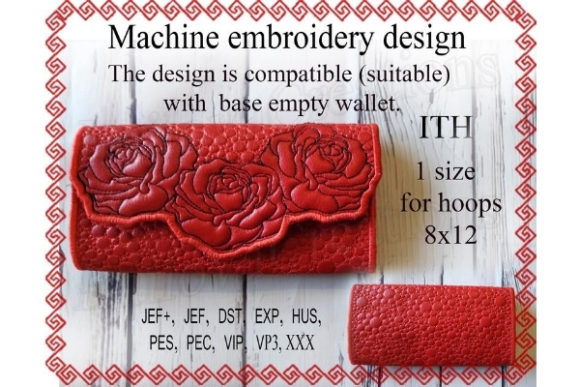
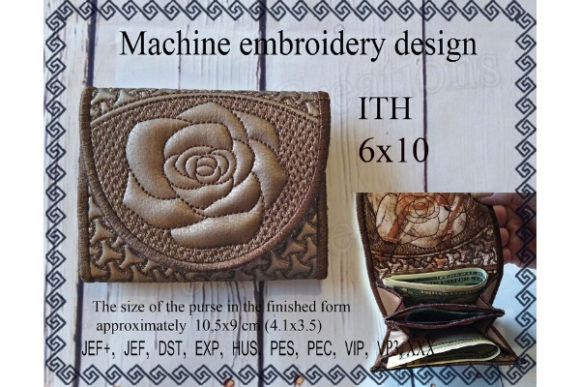
Opening the Small Wallet in the Hoop embroidery design, I get an immediate sense of charming utility. The design’s compact, cohesive layout suggests it’s not just a decorative motif but a thoughtful, functional graphic. The mood is friendly and accessible, leaning towards everyday elegance rather than ornate luxury. This visual personality feels perfectly suited for projects that blend usefulness with a touch of handmade warmth. It naturally belongs to that category of embroidery designs you reach for when you want to add value, not just ornamentation, to a product.
The Natural Fit: From Tote Bags to Boutique Merchandise
In real-life embroidery situations, this design’s scale and theme open up a delightful range of applications. Imagine stitching it onto a canvas tote bag for a local craft fair—it becomes a defining feature, elevating a simple bag into a specialty item. For a custom apparel project, like a linen apron or a cotton pillow cover, it offers a focal point that’s interesting without being overwhelming. I can see it working beautifully as a personalized gift, perhaps on a tea towel or a baby blanket, where its small wallet theme adds a layer of storytelling.
For small business merchandise or Etsy listings, this design has the kind of clean, recognizable appeal that supports brand consistency. It could serve as a signature element for a shop specializing in organizers or travel accessories. The design also lends itself well to creating an embroidered patch, which could then be applied to caps or sweatshirts, offering versatility for commercial embroidery projects or craft business products.
Performance on the Machine: Where to Use and Where to Be Careful
While the promise of multiple embroidery file formats suggests good machine compatibility, the true test is on the fabric. On stable, medium-weight materials like cotton twill or denim, this design should stitch out with excellent clarity. Its presumably balanced stitch density—if executed well—would prevent puckering on items like tote bag designs or aprons.
However, this is where a designer’s practical judgment comes in. On textured fabrics or stretchy fabric like jersey for sweatshirt embroidery, you’ll need to be meticulous with your stabilizer choice. The small details and likely satin stitch borders could lose definition. On dark fabric, thread color contrast becomes paramount; a low-contrast palette might render the design muddy. For curved surfaces like caps, the design’s overall shape needs to be evaluated for distortion in the hoop.
Furthermore, on products destined for frequent washing, such as baby clothes or kitchen linens, you must consider the longevity of any intricate elements. Areas of high density or tiny lettering (if present) could wear faster. The design’s success on thin fabric would heavily depend on a perfect stabilizer match to avoid show-through.
Impact on Your Project and Your Customer
Using the Small Wallet in the Hoop affects more than just the stitch-out; it influences the entire product’s perception. A clean, well-executed embroidery elevates the finished product’s visual appeal and perceived value. For a customer, a crisp, detailed design on a handmade wallet or pouch signals care and professionalism, building customer trust. This design, with its clear theme, enhances giftability and recognition—the recipient understands the item’s intent immediately.
For creative entrepreneurs, such a design can become a reliable digital design asset for creating printable mockups or product previews, speeding up your workflow. It supports a handmade presentation that feels deliberate and skilled, which is crucial for engaging buyers in a crowded marketplace.
Essential Designer Notes Before You Hoop Up
Before committing this design to a client project or your next batch of small shop product, a few practical steps are non-negotiable. First, always test the design on scrap fabric first. Use the same material and stabilizer you plan for the final project. This reveals any issues with stitch density, pull, or registration.
Check thread color contrast thoroughly. Run mental—or actual—black and white mockups to see if the design holds its form without color. Compare light and dark fabric backgrounds in your planning; you might need two slightly different color palettes.
Inspect small details in the file preview. Look for any potential trouble spots like overly dense fills or tiny corners that might require perfect machine tension. Confirm the minimum viable hoop size; while the design is described as small, knowing the exact required space is key for placement on items like baby embroidery on a tiny garment.
Finally, a crucial note for anyone in the craft business: check whether the design works for both personal and commercial projects. Confirm licensing before selling finished items or digital products. The provided description mentions it can be used in multiple ways, but the specifics of the license are the bedrock of ethical and legal use. Never assume.
A Real Scenario: Preparing a Holiday Gift Collection
Let’s walk through a real case. I’m preparing a limited holiday gift collection of personalized organizers. The Small Wallet in the Hoop design is a candidate for embroidered pouches. My thought process: Will the design stitch cleanly on the felt and linen blends I’m using? Does its aesthetic match the cozy, practical vibe of my collection? How will it look alongside other items? After a test stitch-out, I’d evaluate not just the technique, but the customer reaction—does it feel special? Does it explain the product’s purpose? In this scenario, the design’s success hinges on that blend of flawless execution and emotional resonance, turning a machine embroidery design into a beloved finished product.
In conclusion, the Small Wallet in the Hoop presents itself as a versatile, quality-focused embroidery project seed. Its value isn’t just in the digital file, but in the thoughtful application by the embroiderer. With careful testing and mindful pairing with the right materials and projects, it can become a staple in your design library, reliably producing professional, appealing work for your personalized gifts, custom apparel, or commercial embroidery ventures.