National Anglican Church Nigeria Embroidery Review
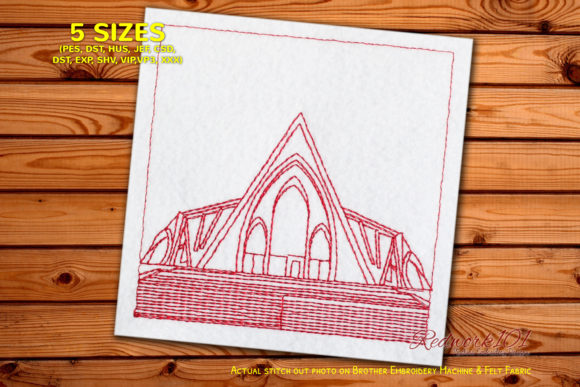
When I first saw the National Anglican Church - Nigeria Bluew embroidery design on Creative Fabrica, my professional curiosity was immediately piqued. As someone who frequently handles custom orders for religious communities and cultural apparel, this file stood out. Its visual mood is distinctly reverent and formal, built around clear, structured lettering and iconic architectural elements that speak to a sense of tradition and place. The level of detail appears balanced—not overly dense, which is a good sign for versatility across different fabrics and projects.
First Impressions and Project Fit
The design has a dignified, decorative appeal that naturally fits projects intended for church members, community gifts, or cultural celebration items. The stitching personality seems clean and legible, which is paramount for any design featuring text. My immediate thought was its application for a commemorative tote bag or a dignified apron for a church event. It also struck me as a strong candidate for a framed embroidered patch or a pillow cover for a nursery or home decor piece with a spiritual theme. For Etsy sellers or boutique owners catering to a faith-based market or those looking for Africa-themed designs, this file presents a focused, authentic visual asset.
Performance in Real Embroidery Work
Considering real-world application, I would approach this design with a mix of optimism and practical caution. The presence of text, especially what appears to be smaller lettering within the main title, requires attention. For successful embroidery on items like caps or curved surfaces, those small details need to stitch out cleanly. Testing on scrap fabric is an absolute must here.
For custom apparel such as sweatshirts or polo shirts, the design’s structured layout should work well, provided you use the proper stabilizer for the fabric type—a cutaway for stretchy knits, for instance. On dark fabrics, the color palette as shown (with the "Bluew" hinting at a blue theme) would need sufficient thread color contrast to remain legible and impactful. I would recommend comparing light and dark fabric mockups digitally before stitching.
Practical projects I envision include:
- Church or community tote bags: A sturdy canvas tote would be an excellent base, allowing the design to be a prominent feature.
- Embroidered patches: For vestments, banners, or collectible items, the design could be stitched onto felt or twill and applied.
- Baby blankets or nursery decor: For a personalized gift for a family within the Anglican community, this could add a heartfelt, traditional touch.
- Kitchen towels or apron: As a gift for a church volunteer or community event, it combines utility with sentiment.
The note about the optional box stitch is a critical piece of information from the product description. It indicates some design flexibility. If the outer box is a different color, as mentioned, it adds a layered detail. This can affect stitch density in that area. You must inspect these small details after a test stitch to ensure they don’t create overly dense areas that might pucker on lightweight fabrics like those used for pillow covers or some apparel.
Affecting Product Value and Customer Trust
Using a design like National Anglican Church - Nigeria Bluew on a handmade product can significantly affect its perceived value. For the right customer, it conveys specificity and authenticity, which builds buyer trust. It’s not a generic religious symbol; it’s a direct representation, which can deepen customer engagement. This is invaluable for Etsy listings, craft fair products, or boutique merchandise aimed at a niche audience.
The clean, professional execution of the embroidery file will directly impact your product photography and handmade presentation. A well-stitched, legible design on a sweatshirt or tote bag photographs beautifully, enhancing your shop’s visual appeal and brand consistency. For gifts, this specificity elevates the giftability—it feels chosen with care, not mass-produced.
Crucial Practical Embroidery Notes
Before running this machine embroidery design on any final product, a disciplined approach is necessary. Here is my recommended checklist:
- Always test on scrap fabric identical to your project fabric. Check for puckering, thread tension, and the clarity of all small details.
- Review stitch density by observing the test run. Dense fill stitch areas, if present, might require adjustments for lightweight or textured fabric.
- Confirm your hoop size against the design dimensions. The product description did not provide specifics, so you must verify the required hoop size on the Creative Fabrica product page before starting.
- Use proper stabilizer. Match the stabilizer to your fabric—no guesswork. This is key for maintaining detail on curved cap surfaces or stretchy fabric.
- Plan for washing. For items like kitchen towels or apparel that need frequent washing, a robust stitch construction and stable fabric base are essential to longevity.
- Inspect file details and licensing. Crucially, confirm the included file formats, machine compatibility, and the commercial license terms on the Creative Fabrica product page before selling any finished items. Do not assume.
Final Evaluation for Creative Entrepreneurs
The National Anglican Church - Nigeria Bluew embroidery design is a niche, purposeful digital embroidery file. It is not a generic floral motif; it serves a specific audience. Its worth downloading from Creative Fabrica hinges entirely on your target market and project needs.
If you are an apparel decorator, crafter, or digital product seller creating items for the Anglican community, Nigerian cultural context, or those seeking Africa-themed embroidery, this design is a relevant and professional asset. It can help you create finished products with a clear story and meaning.
However, for general crafters without that specific customer base, it might be too specialized. The practical considerations around the text and optional box elements mean it requires a careful, professional setup. It is not a "throw it on any fabric" kind of design.
In summary, this design warrants consideration for real commercial embroidery projects where its symbolism aligns with the product purpose. Its value lies in its authenticity. Approach it not as a simple decorative element, but as a focal point with cultural and religious significance. That significance, when executed well with the practical embroidery steps I’ve outlined, can translate into truly meaningful handmade products and satisfied, trusting customers.