Lute Embroidery Design Review for Real Projects
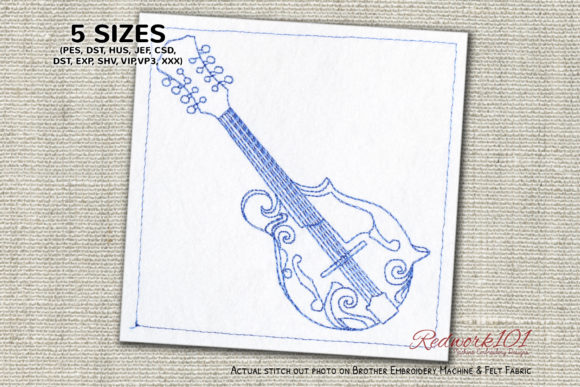
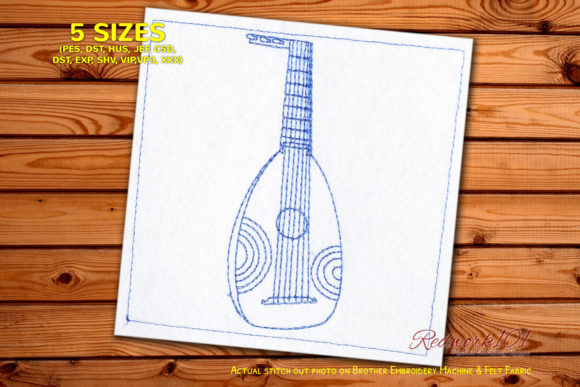
As an embroidery designer, when I first saw Lute on Creative Fabrica, its clear, classic linework immediately stood out. This isn’t a overly ornate, dense piece; it’s a design with a quiet, decorative mood that suggests craftsmanship. The detail level focuses on the instrument’s defining shape—the rounded body, long neck, and strings—making it ideal for projects where elegance and simplicity are key. It has a stitching personality that leans towards clean satin outlines and likely fill stitches for the body, offering a balance between visual impact and practical embroidery time.
Where the Lute Design Naturally Fits in Your Work
In my workflow, I assess a design by the projects it naturally calls to. Lute isn’t a loud, graphic logo; it’s a refined motif. I instantly thought of it for custom apparel like linen shirts or lightweight sweaters, for handmade gifts such as pillow covers or baby blankets in a music-themed nursery, and for elevated everyday items like tote bags and aprons. Its subject matter makes it a strong candidate for niche Etsy listings or craft fair products targeting musicians, teachers, or lovers of historical instruments. For boutique merchandise, it adds a touch of unique artistry without being overwhelming.
The design also lends itself well to embroidered patches, given its likely defined borders, and could be a beautiful focal point on kitchen towels or caps for a specialty gift. When considering product photography and brand consistency, a well-embroidered lute on a simple fabric background creates a trustworthy, high-value look that appeals to customers seeking something genuinely handmade.
Practical Performance on Fabrics and Products
Moving from concept to hoop, practical performance is everything. For Lute, the detail lines and potential small areas like the fret markings or string ends require attention. On stretchy fabrics like sweatshirts or on curved cap surfaces, using the correct stabilizer is crucial to prevent distortion of those clean lines. On dark fabrics, the thread color choice becomes paramount; you’ll want a palette that offers enough contrast so the instrument’s form remains clearly visible.
The design appears to have areas of varying density. The rounded body might use a fill stitch, while the neck and details likely use satin or running stitches. This variation is good, but it means you should test on scrap fabric first, especially if you plan to stitch it on items like baby items or apparel that will undergo frequent washing. Check that the stitch density isn’t too high for lightweight fabrics, which can lead to puckering, nor too light for thicker materials like bag canvas, where it might look sparse.
Regarding small hoop sizes, the design’s overall proportions seem manageable for a medium hoop, but I would not attempt to miniaturize it drastically for a very tiny hoop unless the file includes a specifically sized version. The “box stitch” mentioned in the description being optional is interesting—it suggests an additional decorative border element that could be used or omitted to suit the project’s style, adding flexibility.
Essential Pre-Stitch Checklist for Commercial Use
Before committing Lute to a real customer order, I follow a disciplined checklist. First, check the Creative Fabrica product page thoroughly for the actual file formats, included hoop sizes, and any specific license terms for commercial use. Do not assume; confirm. This protects your business when selling finished products.
- Review stitch density by looking at the file in your embroidery software. Identify any exceptionally dense sections that might need adjustment for your specific fabric.
- Compare light and dark fabric mockups digitally or with thread samples. Plan your thread colors for both scenarios.
- Confirm hoop size compatibility with the project. Is your tote bag area large enough? Will it fit on a cap front?
- Inspect small details like the instrument’s strings and frets. After your test stitch, ensure they are distinct and not lost in the fabric texture.
- Always use proper stabilizer. For a design with mixed stitch types, a good cut-away or tear-away stabilizer can make the difference between a professional result and a disappointed client.
Adding Value to Your Handmade Business
A design like Lute transcends just being a pattern; it becomes a part of your product’s story. When embroidered neatly on a high-quality apron or a linen pillow cover, it elevates the perceived value. It speaks to a niche audience, enhancing customer engagement. For personalized gifts, it could be paired with a name or date, making it uniquely special. In your product photography, such a classic, well-executed motif builds buyer trust and strengthens your shop’s reputation for quality.
It’s also a versatile digital embroidery file for creating printable mockups to list products online before stitching, saving you time and materials. As a design asset in your library, it fills a specific niche in the Music category that you can reliably turn to for requests from clients who want something different from generic themes.
In conclusion, from a professional standpoint, Lute from Creative Fabrica is a considered, useful design. It’s not for every project, but for the right project—where a touch of historical, artistic charm is desired—it performs well. Its success hinges on your standard professional practices: testing, adapting to fabric, and respecting the file details provided. For embroidery designers, Etsy sellers, and decorators looking to expand their catalog with distinctive, elegant motifs, this embroidery design is worth downloading and putting through your rigorous pre-production routine. It has the potential to become a trusted part of your portfolio for creating valued, handmade goods.