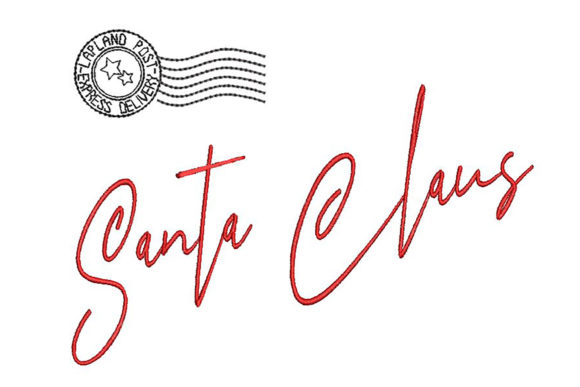
Always Lettering Embroidery Design Review
As a professional embroidery designer working with small businesses every day, I’m constantly evaluating new digital embroidery files for their potential in branded merchandise. Today, I’m reviewing Always Lettering, a design described as a beautiful embroidery suited for apparel and merchandise with a retro, text-focused style. My review is based on how it would perform for real-world business applications: patches, uniforms, caps, tote bags, and product labels.
First Impression: Professional Yet Friendly
Based on its title and description, Always Lettering strikes me as a design that balances professionalism with a touch of friendly, handmade charm. The retro lettering aesthetic suggests it isn’t overly corporate or sterile; it has character. This is crucial for small businesses like cafés, boutiques, bakeries, or creative studios that want to appear trustworthy and polished but also approachable and unique. For a florist or a handmade shop, this style could communicate premium quality while retaining that personal, crafted feel.
Real-World Business Applications
Let’s translate that first impression into practical use. How does Always Lettering hold up when stitched onto actual merchandise?
Embroidery Patches for Brand Identity
For creating custom embroidered patches, this design’s text-centric nature is a strong starting point. Patches are fantastic for small business merch—they can be applied to customer gifts, event swag, or even sold as standalone products on Etsy. The lettering style needs to be clear and legible even when reduced to a smaller patch size, say for a cap back or a sleeve. A key designer note: always test the embroidery file at the intended small patch size before committing to production. Check the spacing and density to ensure the letters don’t become a blur of stitches.
Staff Uniforms & Aprons
For staff uniforms, aprons, or work shirts, Always Lettering could serve as a beautiful chest logo accent or sleeve detail. On a chef’s apron in a bakery or a server’s shirt in a café, it elevates the look from standard uniform to branded apparel. It’s important to consider fabric texture and color. Test it on the actual fabric you’ll use—a thick canvas apron versus a polo shirt—and review thread color contrast, especially on dark uniforms. A light thread on a dark apron can make the retro lettering pop and enhance professionalism.
Caps, Tote Bags, and Product Packaging
Cap embroidery and tote bag designs are popular for local businesses and pet brands. The curved surface of a cap front requires a design that can be hooped cleanly and stitched without distortion. Always confirm hoop size compatibility and use proper stabilizer. For tote bags, which are often given as customer gifts or boutique merchandise, Always Lettering could provide a simple, elegant brand mark. As a product packaging accent on labels for handmade goods, it adds a tactile, premium touch that digital printing cannot replicate.
Where to Use with Care
Not every application is ideal. Here are scenarios where you should proceed cautiously with this or any lettering-based embroidery file.
- Very Small Patch Sizes: If the lettering is intricate, tiny details may get lost or create overly high stitch density, leading to a stiff, bulky patch.
- Items Requiring Frequent Washing: On garments like baby apparel or pot holders (mentioned in the description), durability is key. Ensure the stitch structure is robust.
- Tiny Lettering on Curved Surfaces: Embroidering small text on a curved cap front can be tricky. A test run on a real cap is essential.
- Textured or Unstable Fabrics: Always use the correct stabilizer for the fabric to keep the lettering clean and prevent puckering.
Impact on Brand Identity and Customer Trust
Choosing the right embroidery design for your small business merch directly affects brand identity. Always Lettering, with its described retro elegance, can help establish visual consistency across your merchandise—from staff aprons to customer tote bags. This consistency builds customer recognition. When a buyer sees the same beautiful lettering on your café’s cap and your market stall’s signage, it reinforces your brand. Embroidered details also subtly signal quality and care, increasing perceived product value and fostering buyer engagement. A handmade product with a custom embroidered label feels more special than one with a generic tag.
Practical Designer Notes for Production
Before you run this machine embroidery design on a dozen aprons or launch a line of patches, follow these steps to ensure a successful finished product.
- Test in Black and White First: Stitch a sample using basic high-contrast thread colors. This reveals the design’s form without color distractions.
- Create a Printable Mockup for Client Approval: If you’re an embroidery shop decorating for a client, a mockup helps them visualize it on their merchandise.
- Test on Real Fabric: Don’t rely on software previews. Hoop the actual fabric (like the tote bag material or uniform cloth) and stitch a sample.
- Compare it Beside Other Design Assets: See how Always Lettering complements your other logos or graphics for visual harmony.
- Confirm Commercial Licensing: The product description doesn’t specify license terms. Always verify that the digital embroidery file is licensed for commercial embroidery before using it for business merchandise.
Final Thoughts for Merch Creators
Always Lettering appears to be a versatile embroidery design with strong potential for small business branding. Its retro text style offers a blend of classic and friendly, suitable for a wide range of businesses aiming to enhance their custom apparel and merchandise. Its success, however, hinges on practical testing and thoughtful application. By evaluating its performance at small sizes, on various fabrics, and in the context of your overall brand identity, you can leverage this design to create embroidered patches, caps, and products that not only look beautiful but also build a stronger, more recognizable business.