A Minimalist Fish Embroidery Review for Boutique Apparel
As an embroidery designer preparing a new sweatshirt collection for my small brand, I’m constantly evaluating designs for their visual impact and production feasibility. When I saw the Minimalistic One Line Fish embroidery file on Creative Fabrica, it immediately stood out as a contender for my upcoming line of cozy, neutral-toned apparel. This review is from that practical perspective—a designer judging a digital embroidery file for real-world boutique use.
First Impressions: Quiet Confidence for Modern Apparel
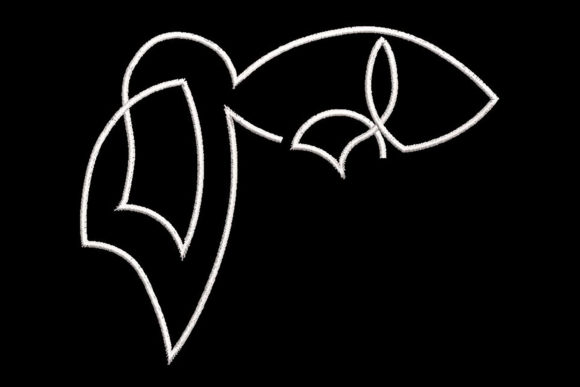
The Minimalistic One Line Fish design has a distinct personality. It’s not loud or playful; it feels quietly confident, modern, and slightly classic. The continuous single line creates a sense of fluidity and movement, which gives it a more premium, artistic feel than a typical graphic. This isn’t a cute, rustic fish; it’s a minimalist statement. That mood is perfect for the current trend in apparel toward clean, understated decoration that feels intentional rather than decorative.
Its detail level is, of course, minimal, but that’s its strength. On apparel, especially sweatshirts and hoodies, overly dense designs can feel heavy. This design’s simplicity means it won’t compete with the fabric’s texture. It will sit lightly on the garment, becoming an integrated accent rather than a dominating feature. For my target audience—who appreciates subtle branding and wearable art—this is a significant plus.
Placement and Application: Versatility Across a Collection
My plan involves a mix of oversized sweatshirts, pastel hoodies, and some darker apparel like denim jackets. The Minimalistic One Line Fish design, at the specified 4″ x 4″ hoop size, offers fantastic versatility for building a cohesive collection.
Sweatshirt and Hoodie Chest Placement
For the chest area of a sweatshirt or hoodie, this size is ideal. It’s prominent enough to be noticed without being overwhelming. On a neutral heather gray sweatshirt, using a single contrasting thread color—perhaps a deep navy or a soft terracotta—would create a perfect focal point. The single-line construction means the stitch density is inherently lower, which is a blessing on stretchy fleece fabrics. Less dense stitching reduces the risk of puckering and helps the design remain flexible, preserving the garment’s comfort.
Sleeve Accents and Back Designs
This design also works beautifully as a smaller accent. On the sleeve of an oversized hoodie or the back shoulder area of a t-shirt, it adds a detail that feels personal and curated. For tote bags, which I often produce as complementary merchandise, the simple line art looks clean and professional, especially on natural canvas. It lends itself perfectly to lifestyle product photos and printable mockups for Etsy listings, where clarity and style are key.
Dark Garments and Seasonal Cozy Outfits
On dark apparel, like a black hoodie, the choice of thread color becomes critical. A bright white or a metallic silver thread would make the Minimalistic One Line Fish pop dramatically, creating a bold yet minimalist look. For a seasonal “cozy” collection, using warm thread colors on pastel fabrics could evoke a gentle, serene feeling, aligning with themes of relaxation and comfort.
Where to Use With Care: Practical Designer Notes
While this embroidery design is suitable for beginners, professional application on boutique apparel requires careful planning. Its simplicity is forgiving, but some contexts demand extra attention.
On very stretchy or ribbed fabrics, even a low-density design needs proper stabilizer choice. I always test on scrap fabric from the actual garment batch first. The single continuous line means there are no fill areas, but if the line itself uses many stitches in a small area, it could become dense. It’s wise to run a test stitch-out to inspect the actual stitch density of the file.
Placement on curved surfaces, like the rounded chest area of a fitted sweatshirt, requires precise hooping to ensure the design doesn’t distort. And while the design is minimal, thread color contrast is everything. On a mid-tone fabric, a poorly chosen thread can render the design invisible. I experiment with several thread colors on similar fabric before finalizing my production run.
Impact on Brand Value and Customer Perception
Incorporating a design like Minimalistic One Line Fish into a boutique line affects more than just aesthetics. It influences brand identity and customer trust. A clean, well-executed minimalist design conveys professionalism and intentionality. It suggests that the brand cares about design coherence and quality craftsmanship.
For an Etsy seller or small shop, this helps in building product recognition. If this fish design becomes a signature element across sweatshirts, tees, and totes, it creates visual consistency that customers remember. It elevates the presentation from a generic decorated garment to a curated branded product. This enhances customer engagement—people are more likely to share a visually striking, minimalist design on social media, which is invaluable for small brands.
Final Pre-Production Checklist
Before committing this design to my collection, I follow a standard protocol. First, I confirm all details from the Creative Fabrica product page: the exact hoop size compatibility with my machine, the included file formats, and the commercial licensing terms for selling finished apparel. I never assume; I verify.
Then, I physically test the embroidery file on a sample of the main garment fabrics—the sweatshirt fleece, the hoodie knit, and the denim. I compare placement options, checking how it looks on the chest versus the sleeve. I note the stitch count and runtime to factor into production planning. Only after this hands-on review do I decide to integrate Minimalistic One Line Fish into my line.
In conclusion, from a professional embroidery designer’s viewpoint, this digital embroidery file offers a strong foundation for a modern, minimalist apparel collection. Its visual mood aligns with current trends, its technical simplicity aids production, and its versatility allows for cohesive branding across multiple products. It’s a thoughtful choice for apparel decorators aiming to create value through understated, quality design.